
Introduction to Susanna Haswell Rowson
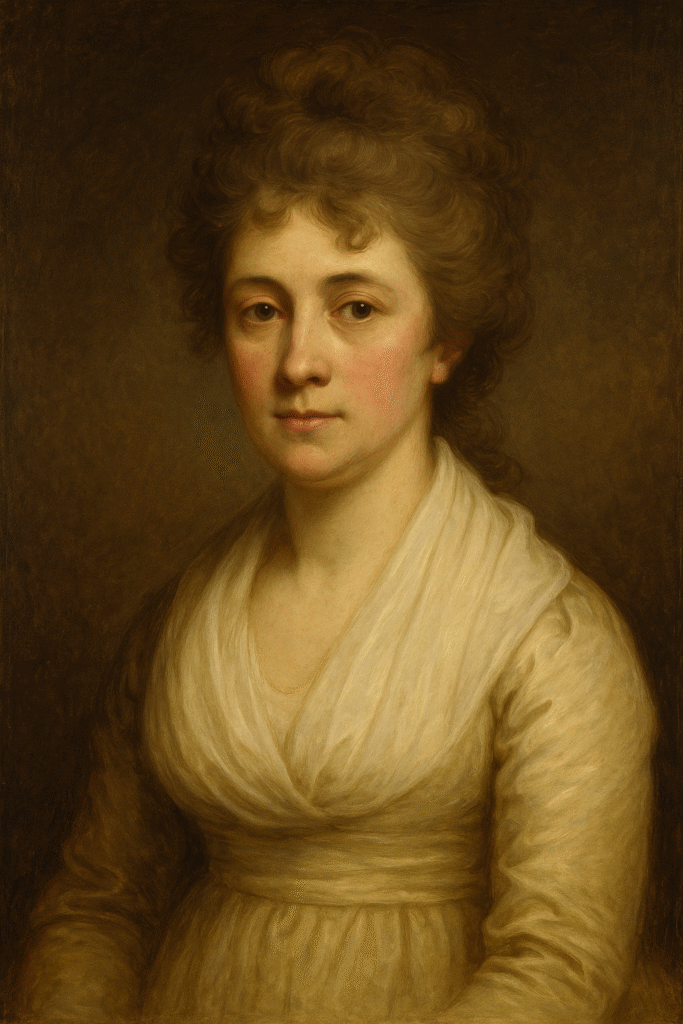
Susanna Haswell Rowson shaped early American women’s literature through strength, imagination, and purpose. She blended moral vision with artistic clarity. Moreover, her stories portrayed women’s resilience under social limits. She showed how courage and virtue could transform hardship into hope. Therefore, her fiction inspired education, empathy, and reform. Born in England and raised between continents, she developed unique insight into freedom and identity. Her work reflected both American ideals and human struggle. Furthermore, she used her pen to defend female intellect and emotion. Each novel carried messages of duty, endurance, and love. Readers discovered moral lessons through engaging characters and vivid storytelling. Her influence extended beyond literature into teaching and theater. Consequently, she became guiding spirit for generations of women writers. Hence, Susanna Haswell Rowson remains defining figure of early American expression.
1. Early Life and Background
She was born in Portsmouth, England, in 1762. Her early life combined privilege and loss. Moreover, her family moved to Massachusetts during her childhood. These experiences shaped her empathy for displacement. Therefore, she developed deep sensitivity toward human endurance. Exposure to political unrest sharpened her awareness of identity. Furthermore, she faced poverty after her father’s imprisonment. Adversity built moral strength within her. Each challenge taught her independence and humility. Consequently, her early years inspired later heroines’ courage. She observed both British refinement and American resilience. Her youth revealed contrasts between class and freedom. Thus, she understood society’s unequal demands on women. Through hardship, she gained compassion and intellect. These traits defined her literary purpose completely. Readers sense authenticity within every depiction of endurance. Her beginnings formed foundation of conviction and art.
2. Family Influence and Education
Her father, a British naval officer, valued education highly. Therefore, Susanna developed early fascination with language and learning. Moreover, reading classics shaped her disciplined intellect. She admired virtue and faith within ancient stories. Consequently, she embraced literature as moral training. Her upbringing encouraged thought, reflection, and inquiry. Furthermore, her home life blended affection with challenge. She learned responsibility through family struggles. Each hardship refined her self-reliance. Hence, education became her source of freedom. She later promoted knowledge as moral necessity for women. Through study, she envisioned equality through intellect. Readers recognize this belief across her novels. Her female characters think, act, and feel independently. Thus, her education shaped her mission toward reform. She transformed learning into lifelong spiritual purpose. Every lesson deepened her resolve for moral instruction.
3. Transatlantic Experiences and Identity
Moving between England and America broadened her perception deeply. She saw two worlds divided by revolution and belief. Moreover, she felt torn between heritage and new ideals. Therefore, identity became central theme in her imagination. Her travels exposed cultural and moral contrasts. Furthermore, exile taught empathy for marginalized voices. She felt solidarity with women facing displacement. Each border she crossed widened emotional understanding. Consequently, she expressed belonging through universal compassion. Readers feel her characters’ longing for home. Her fiction merges sentiment with philosophical inquiry beautifully. Thus, her identity reflected bridge between nations and emotions. She transformed personal duality into creative unity. Through writing, she reconciled love, duty, and freedom. Her transatlantic life enriched both her vision and her voice. Every journey strengthened her moral insight profoundly.
4. Early Literary Beginnings
Her literary career began with poetry and moral tales. These early works displayed elegance and moral discipline. Moreover, she sought to teach through beauty naturally. Her verses celebrated virtue, kindness, and integrity. Therefore, writing became her chosen act of devotion. She balanced sensitivity with reasoning across her language. Furthermore, her early writings hinted at educational themes. She believed moral instruction belonged within art. Each poem reflected careful thought and emotional grace. Consequently, her first publications built her literary confidence. Readers admired her sincerity and purpose. She viewed literature as service toward human improvement. Thus, early success confirmed her faith in authorship. Her creative beginnings shaped her lifelong mission. Every word carried dignity and conviction. Through poetry, she found her moral and emotional compass.
5. The Novel “Charlotte Temple”
Her fame rests largely on Charlotte Temple. The novel portrays innocence betrayed by deception and weakness. Moreover, its moral tone stirred compassion among readers. Therefore, the book achieved immense popularity across generations. It illustrated tragedy born from trust misplaced. Furthermore, the story revealed society’s harsh moral judgments. Readers wept for Charlotte’s purity and downfall. Each scene blended sentiment with ethical clarity. Consequently, the novel became moral lesson through emotion. Critics praised its sincerity and moral instruction equally. Thus, Charlotte Temple defined her literary reputation permanently. Through it, she warned against manipulation and vanity. Her language moved hearts toward reflection and empathy. The story’s endurance proves its timeless moral appeal. She transformed personal virtue into national conscience. Hence, Charlotte Temple remains cornerstone of American sentimental fiction.
6. Women’s Roles in Her Fiction
Susanna Haswell Rowson depicted women as thoughtful, active moral agents. Her heroines faced temptation and trial courageously. Moreover, she showed intellect as strength, not defiance. Therefore, her writing challenged patriarchal restraint gently. She used emotional truth to reveal injustice subtly. Furthermore, her stories celebrated education and virtue equally. Readers found hope in her balanced portrayal. She believed moral refinement created stronger societies. Consequently, her fiction encouraged respect toward female insight. Each character reflected her vision of disciplined freedom. Thus, she empowered women through literature effectively. Her female figures embodied tenderness with integrity. Through them, she redefined weakness as moral resilience. Readers saw purity joined with courage naturally. Her approach inspired later generations of moral novelists. Every story reflected faith in women’s rational dignity.
7. Themes of Morality and Virtue
Morality guided every line of her fiction. She treated virtue as living force, not rigid rule. Moreover, goodness appeared through compassion and endurance. Therefore, her characters learned wisdom through experience. She valued action guided by conscience consistently. Furthermore, her tone remained uplifting and sincere. Readers discovered hope within moral correction. Each trial revealed the beauty of forgiveness. Consequently, her works elevated ethics through storytelling. She connected duty with affection harmoniously. Thus, morality shaped both content and form seamlessly. Her lessons encouraged reflection without preaching. Through simple plots, she expressed deep moral insight. Readers admired her clarity and warmth. Her vision united feeling and principle gracefully. Every moral struggle led toward light and renewal. Hence, her literature strengthened conscience through imagination.
8. Marriage and Family Life
Her marriage to William Rowson influenced her career greatly. Together, they shared artistic ambition and perseverance. Moreover, financial hardship strengthened their cooperation. Therefore, their union became partnership of effort and hope. They supported each other through teaching and performance. Furthermore, she balanced domestic duties with intellectual work skillfully. Her life showed harmony between affection and independence. Each day reflected discipline and love. Consequently, marriage deepened her compassion toward human weakness. Readers sense real experience behind her moral vision. Her stories portray love founded on virtue, not vanity. Thus, family life nurtured her emotional authenticity. Through struggle, she gained humility and strength equally. Her devotion to home shaped her literary sincerity profoundly. Every success carried traces of shared endurance beautifully.
9. Teaching and Educational Reform
She opened schools emphasizing moral and intellectual training. Her method combined kindness, discipline, and curiosity. Moreover, she believed girls deserved equal access to learning. Therefore, she founded institutions encouraging self-respect and reflection. Her teaching philosophy joined reason with sympathy. Furthermore, she practiced what she preached daily. Students admired her fairness and inspiration deeply. Each lesson became moral and intellectual adventure. Consequently, she transformed education into social reform. Her classrooms echoed purpose, virtue, and joy. Thus, teaching extended her literary mission effectively. She viewed instruction as sacred responsibility. Through education, she served future generations sincerely. Readers recognize teacher’s patience within her prose tone. Her influence advanced women’s rights through moral education directly.
10. Contribution to American Theatre
She worked actively in early American theater. Acting and writing shaped her creative expression strongly. Moreover, performance deepened her understanding of dialogue and tone. Therefore, her dramatic work revealed emotional realism vividly. She connected stage art with moral communication naturally. Furthermore, she composed plays reflecting virtue and reason. Audiences valued sincerity over spectacle within her productions. Each performance reinforced ethical meaning. Consequently, she helped legitimize theater as moral art. Her involvement challenged prejudices against actresses effectively. Thus, she blended entertainment with enlightenment harmoniously. Through theater, she engaged wider social audience meaningfully. Readers of her plays admired honesty and clarity. Her dramatic vision enriched her prose with vitality. Every scene displayed balance between feeling and restraint. She proved stagecraft could elevate civic virtue gracefully.
11. Literary Style and Language
Her writing style combined simplicity with elegance. She favored clarity over ornament consistently. Moreover, rhythm and sincerity defined her tone naturally. Therefore, her prose carried warmth and refinement together. She expressed profound ideas through accessible language. Furthermore, she balanced emotional power with intellectual grace. Each sentence reflected harmony between thought and feeling. Consequently, readers felt closeness to her characters’ struggles. Her diction mirrored honesty and moral steadiness. Thus, she communicated virtue through language itself. She avoided irony, favoring emotional directness instead. Through plain speech, she reached universal sympathy effectively. Readers valued her moral candor and emotional restraint. Her stylistic precision strengthened message and melody equally. Every word revealed disciplined compassion and refined purpose. Hence, her language embodied moral beauty authentically.
12. Social and Political Awareness
She wrote amid revolutionary change and national growth. Her work reflected conscience shaped by freedom and duty. Moreover, she opposed exploitation and moral negligence strongly. Therefore, she advocated justice through moral reasoning. Her characters often represented ethical courage within society. Furthermore, she condemned greed and hypocrisy boldly. Readers admired her civic integrity and compassion. Each story examined responsibility within liberty’s promise. Consequently, she joined literature with social reflection meaningfully. Her ideas anticipated American moral reform movements. Thus, her voice blended sensitivity with principle naturally. She turned fiction into instrument of social awareness. Through character and conflict, she exposed injustice subtly. Readers found inspiration within her measured defiance. Her writing advanced equality through empathy and reflection consistently.
13. Literary Reputation and Public Response
Her books gained immense admiration during her lifetime. Readers praised moral clarity and emotional sincerity deeply. Moreover, her works circulated widely in both America and Britain. Therefore, her influence reached homes, schools, and churches alike. She became guiding moral voice for common readers. Furthermore, her stories taught virtue through empathy and restraint. Critics appreciated her balance of sentiment and reason. Each publication reinforced her commitment to ethical storytelling. Consequently, her literary reputation grew with enduring affection. Her popularity rested on sincerity, not sensationalism. Thus, readers found comfort within her moral universe. She offered lessons for daily conduct and spiritual peace. Through compassion, she transformed literature into moral healing. Her fame reflected gratitude rather than curiosity alone. Every admirer sensed teacher’s warmth behind each tale.
14. Friendship and Literary Circles
She formed friendships with writers, teachers, and moral reformers. These relationships expanded her creative and intellectual world. Moreover, they offered support during financial and emotional trials. Therefore, friendship became essential to her moral confidence. She shared ideas about virtue, freedom, and discipline freely. Furthermore, her literary circle valued education as sacred duty. Through collaboration, they inspired each other’s progress constantly. Each dialogue deepened her artistic maturity. Consequently, her network helped sustain her social mission. Her kindness and humility earned enduring respect. Thus, her friendships reflected the moral harmony she preached. She believed art should build community and trust. Readers feel that sincerity across her gentle tone. Through human connection, she strengthened her moral purpose. Her friendships enriched her creative life endlessly.
15. Religious Convictions and Faith
Faith remained foundation of her philosophy and work. She believed divine law guided all human experience. Moreover, her stories illustrated mercy through discipline clearly. Therefore, spirituality defined her emotional and intellectual identity. She saw prayer as anchor of moral life. Furthermore, she viewed forgiveness as highest virtue. Each narrative reflected religious awareness naturally. Consequently, her readers found moral guidance through devotion. Her piety never appeared rigid or mechanical. Thus, she expressed religion through compassion and conduct equally. Her tone united reverence with realism gracefully. She treated faith as living principle, not ornament. Readers experienced peace within her spiritual atmosphere. Through faith, she shaped vision of moral order beautifully. Her literature transformed theology into daily human practice.
16. Influence on Women Writers
She inspired generations of women writers across America. Her example proved literature could serve both heart and mind. Moreover, she encouraged moral self-expression without apology. Therefore, Susanna Haswell Rowson became role model for female authors. Her courage in writing built path toward equality. Furthermore, she showed how emotional truth empowers intellect. Readers recognized her as origin of American women’s tradition. Each follower reflected aspects of her moral clarity. Consequently, her influence continued through centuries of reform. Later writers admired her conviction and elegance equally. Thus, she shaped the ethical tone of early feminism. Her contribution linked morality, imagination, and education harmoniously. Through her legacy, women claimed literary authority bravely. Every admirer carried her moral spirit forward faithfully.
17. Patriotism and National Vision
Her writings reflected love for America’s moral ideals. She believed true patriotism required virtue and discipline. Moreover, she saw freedom as sacred moral trust. Therefore, her fiction often celebrated civic responsibility sincerely. Her characters embodied integrity as foundation of liberty. Furthermore, she urged readers toward gratitude and self-control. Each page conveyed optimism balanced by conscience. Consequently, her patriotism transcended politics entirely. Readers admired her fusion of national and spiritual values. Thus, her vision united literature and nationhood beautifully. She believed moral culture ensured lasting democracy. Through stories, she shaped civic compassion meaningfully. Her patriotism expressed faith in humanity’s better nature. Every moral appeal carried sense of duty and hope.
18. Literary Criticism and Interpretation
Modern critics study her as voice of moral reform. They appreciate her sincerity and thematic depth carefully. Moreover, they explore her role in shaping American sentimentality. Therefore, analysis of her novels reveals complex emotional structure. Her simplicity hides sophisticated moral design. Furthermore, readers now see her as philosophical teacher. Each theme connects psychology with ethical reflection skillfully. Consequently, her art receives renewed respect within academia. Critics highlight balance between faith and realism. Thus, her reputation grows stronger with modern perspectives. She represents bridge between moral and literary enlightenment. Through reinterpretation, scholars rediscover her timeless wisdom. Her writing invites empathy across ages effortlessly. Every new generation finds value within her virtue.
19. Moral Education and Legacy
She viewed literature as classroom of conscience and emotion. Her novels taught readers humility, courage, and love. Moreover, she influenced both moral instruction and storytelling deeply. Therefore, her legacy blends education with art perfectly. Susanna Haswell Rowson proved learning could nurture morality gracefully. Furthermore, her devotion to teaching outlived her personal fame. Each reader became student under her gentle guidance. Consequently, her works continued shaping ethical education afterward. Her message reached schools, churches, and homes widely. Thus, her legacy joined public duty with private discipline. She made moral improvement inspiring rather than burdensome. Through her lessons, virtue became joyful human goal. Readers still learn kindness and reflection from her prose. Every moral idea she taught remains timeless and luminous.
20. Later Works and Declining Years
Her later writings reflected maturity and calm reflection. Experience refined her expression toward simplicity and peace. Moreover, she valued spiritual truth above literary ambition. Therefore, her final years embodied quiet strength. She continued teaching, writing, and inspiring others faithfully. Furthermore, her declining health never weakened her conviction. Each word expressed serenity and gratitude deeply. Consequently, her later works radiated contentment and faith. Readers found solace within her tranquil style. Thus, age enhanced her compassion and wisdom naturally. Her life closed with dignity and devotion intact. Through perseverance, she completed her moral journey gracefully. Her last writings reaffirmed belief in virtue’s eternal power. Every page reflected peace earned through moral endurance.
21. Comparison with Contemporary Writers
She stood distinct among early American authors confidently. Her moral tone contrasted worldly cynicism sharply. Moreover, she emphasized sincerity over wit and irony. Therefore, critics saw her as conscience of her age. Susanna Haswell Rowson maintained virtue amid changing literary fashions. Furthermore, she balanced intellect and feeling harmoniously. Each contemporary revealed cultural tension she transcended easily. Consequently, her steady ethics earned universal respect. Her difference lay in moral courage and faith. Thus, she unified art and duty naturally. Readers preferred her warmth to mechanical cleverness. Through truthfulness, she outlasted many popular rivals. Her writing appealed to hearts seeking integrity. Every comparison magnified her unique ethical grace.
22. Educational Philosophy in Her Novels
Her stories doubled as textbooks of emotional wisdom. Every heroine learned self-command through trial and faith. Moreover, education appeared moral rather than material process. Therefore, she presented learning as discipline of the heart. Her fiction shaped ethical and intellectual refinement together. Furthermore, she portrayed reading as journey toward conscience. Each plot guided readers through reflection and reform. Consequently, her educational ideas extended beyond classroom. Her novels inspired both students and teachers equally. Thus, she transformed imagination into moral curriculum. She believed understanding builds compassion and self-mastery. Through storytelling, she taught moral reasoning elegantly. Readers improved their minds and souls simultaneously. Her fiction’s pedagogy shaped moral culture significantly.
23. Literary Innovation and Technique
She introduced narrative clarity and emotional control artfully. Her pacing balanced suspense with meditation perfectly. Moreover, her structure supported moral rhythm throughout. Therefore, readers followed story and reflection together. She experimented with tone while preserving clarity. Furthermore, her dialogue revealed thought rather than spectacle. Each scene advanced inner transformation naturally. Consequently, she set standard for disciplined narrative art. Her innovations influenced later sentimental and moral fiction. Thus, Susanna Haswell Rowson shaped storytelling with integrity. She believed craft must serve moral truth always. Through moderation, she achieved elegance and accessibility. Readers admired her literary balance and honest emotion. Every innovation strengthened moral foundation of American prose.
24. Depiction of Society and Morality
She painted society through mirror of conscience constantly. Every class revealed temptation, weakness, or redemption. Moreover, she viewed morality as universal rather than elite. Therefore, her social vision united poor and noble. Her fiction criticized vanity and indifference equally. Furthermore, she emphasized equality through compassion naturally. Each situation invited reflection on justice and mercy. Consequently, she challenged prejudice without confrontation. Her social critique blended affection and firmness gracefully. Thus, she transformed moral philosophy into human experience. Readers saw society redeemed through individual conscience. Her tone promoted unity over division sincerely. Through sympathy, she bridged hearts across boundaries. Every observation revealed care for collective morality.
25. Cultural Significance and Moral Authority
Her influence extended into American identity formation. She became voice of moral continuity and faith. Moreover, her tone shaped early civic education deeply. Therefore, her literature expressed nation’s spiritual foundation beautifully. Susanna Haswell Rowson embodied conscience of her generation fully. Furthermore, she gave emotional language to ethical reform. Each page contributed to moral texture of democracy. Consequently, her writings formed bridge between heart and state. Her readers became citizens of moral imagination. Thus, she united emotional literature with national virtue. Her moral authority guided public reflection gracefully. Through clarity, she established trust among diverse readers. Her cultural role remains essential to American moral history. Every legacy she built still enlightens social understanding.
26. The Art of Sentimentality
Her mastery of sentiment shaped emotional literature powerfully. She used feeling as path toward wisdom. Moreover, she transformed sentiment into discipline of compassion. Therefore, her style rejected excess for sincerity. She balanced emotion through reasoning consistently. Furthermore, readers experienced empathy without sentiment’s weakness. Each scene invited thoughtful tenderness, not mere pity. Consequently, she elevated sentimental fiction into moral art. Critics acknowledged her control and purity. Thus, she turned emotion into educational beauty. Her method revealed patience and restraint perfectly. Through feeling, she healed both mind and conscience. Her sentimentality carried dignity, clarity, and grace always. Every emotion served truth rather than indulgence.
27. Global Reception and Translations
Her works reached beyond America and Britain steadily. Translators admired simplicity and ethical universality. Moreover, readers in Europe found comfort in her tone. Therefore, her literature gained moral resonance across cultures. Her influence spread through faith in virtue’s power. Furthermore, her themes appealed to universal conscience. Each translation preserved her clarity and tenderness carefully. Consequently, she became transatlantic teacher of morality. Critics valued her contribution to world sentimentalism. Thus, Susanna Haswell Rowson’s appeal transcended borders naturally. She demonstrated literature’s ability to unite humanity. Through compassion, she created shared emotional understanding. Readers worldwide embraced her moral storytelling gratefully. Every translation renewed her message for new hearts.
28. Enduring Lessons from Her Works
Her literature continues teaching humility, truth, and compassion. Each generation rediscovers timeless wisdom within her words. Moreover, readers apply her lessons to modern dilemmas. Therefore, her stories guide thought and conscience eternally. Her voice remains soft yet commanding through ages. Furthermore, she teaches patience in moral struggle constantly. Each reading reveals deeper understanding of love and duty. Consequently, her works serve as moral compass enduringly. Thus, her literature becomes teacher beyond centuries. She proves that goodness transcends history and fashion. Through reflection, she renews reader’s faith in virtue. Every principle she expressed retains living clarity. Her moral art strengthens society with enduring tenderness.
29. Death and Immortal Memory
She passed away peacefully in 1824 after fruitful life. Her death marked close of inspiring moral journey. Moreover, her writings survived through countless reprints and admiration. Therefore, her legacy outlived time’s forgetting easily. Susanna Haswell Rowson’s spirit continued through her readers’ hearts. Furthermore, teachers and scholars preserved her influence lovingly. Each memorial echoed gratitude for her wisdom. Consequently, her death symbolized triumph of virtue over mortality. Her works remained in classrooms and family libraries. Thus, she achieved moral immortality through education and art. Her life ended but her message lived radiantly. Through remembrance, she shaped future generations’ ethics eternally. Every word she wrote became offering of faith.
30. Lasting Influence of Susanna Haswell Rowson
Susanna Haswell Rowson stands as cornerstone of early American morality. Her art united education, virtue, and imagination gracefully. Moreover, her moral philosophy shaped literature and teaching permanently. Therefore, she remains guiding presence in cultural and spiritual history. Her legacy uplifts conscience and intellect alike. Furthermore, her vision reaffirms eternal value of compassion. Each idea she expressed connects heart and wisdom seamlessly. Consequently, her influence endures through education and literature worldwide. Readers find balance and peace within her timeless example. Thus, her voice still inspires moral courage universally. Through devotion and reason, she defined feminine integrity beautifully. Every generation rediscovers her truth within reflection. Her enduring moral art sanctifies both life and learning.
Emily Dickinson: https://americanlit.englishlitnotes.com/emily-dickinson/
The Hunger and Population Explosion: https://englishwithnaeemullahbutt.com/2025/06/03/hunger-and-population-explosion/
If I was you OR If I were you? https://grammarpuzzlesolved.englishlitnotes.com/grammar-puzzles-solved-22-which-is-correct-if-i-was-you-or-if-i-were-you/
The Prioress in The Canterbury Tales: https://englishlitnotes.com/2025/05/24/prioress-in-canterbury-tales/
Visit Google to search for English literature topics, authors, and study resources:https://www.google.com
Susanna Haswell Rowson: https://share.google/u7P5gHuozRzFtzCIb
Discover more from Welcome to My Site of American Literature
Subscribe to get the latest posts sent to your email.